
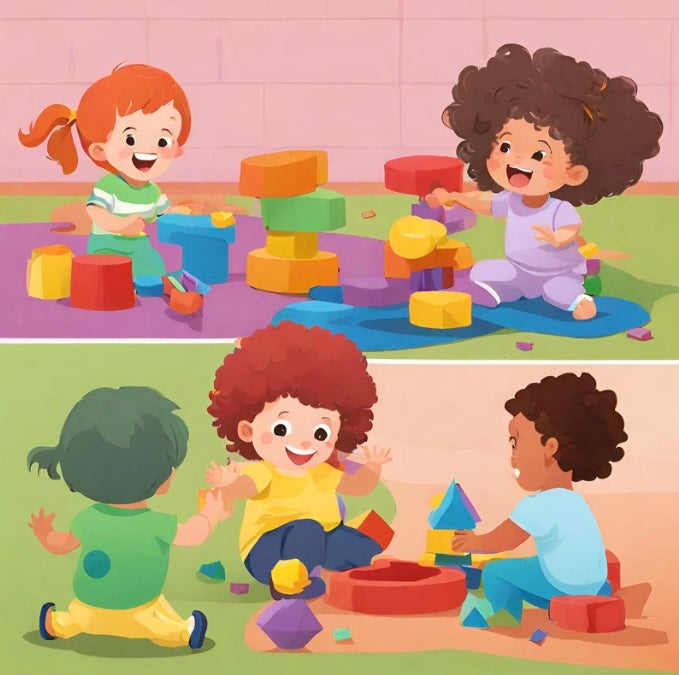
Introduction: The Power of Humor in Early Education
Kindergarten is a pivotal stage in a child's life, filled with new experiences and learning opportunities. Incorporating humor through funny short stories and songs can significantly enhance this learning journey. Tools like Little Cubbie, with content crafted by teachers and child psychologists, offer a delightful mix of education and entertainment, perfectly suited for young learners.
The Role of Humor in Kindergarten Education
Boosting Engagement and Attention
Funny stories and songs capture kindergarteners’ attention and keep them engaged, making learning an enjoyable experience.
Enhancing Memory and Retention
Humor aids in memory retention, ensuring that the educational content of stories and songs stays with children longer.
Developing Language and Communication Skills
Engaging with humorous content helps children develop their language skills, enhancing their vocabulary and communication abilities.
Little Cubbie: A Blend of Fun and Learning
Curriculum-Integrated Humor
Little Cubbie's offerings are carefully designed to align with kindergarten curricula, ensuring that the fun elements are educational.
Child Psychologist-Approved Content
The content is curated by child psychologists, ensuring that the humor is age-appropriate and beneficial for kindergarteners’ development.
Interactive and Engaging Experiences
Little Cubbie toys provide interactive experiences, encouraging children to participate actively in the storytelling or song sessions.
Incorporating Humor in Kindergarten Activities
Storytelling Sessions
Incorporate funny short stories into regular storytelling sessions. Little Cubbie's range can be a great resource for stories that tickle the funny bone and teach valuable lessons.
Sing-Along and Dance
Introduce humorous songs that kindergarteners can sing along to and dance. The rhythm and lyrics of these songs make learning fun and active.
Puppet Shows
Use puppets to enact funny stories or sing songs. This visual and interactive method can be incredibly effective in engaging young children.
Creative Art Activities
Organize art activities related to the themes of the funny stories or songs. For instance, drawing characters from a humorous Little Cubbie story.
Language Games
Play language games that involve humor, such as rhyming games, tongue twisters, or funny word associations.
Tips for Successful Integration of Humor
Understanding the Child’s Perspective
Choose stories and songs that are humorous from a kindergartener's point of view, ensuring that the content resonates with them.
Balancing Fun and Learning
While humor is important, ensure that it is balanced with educational content. Little Cubbie’s offerings strike this balance effectively.
Encouraging Participation
Encourage children to share their funny stories or songs, fostering a sense of participation and creativity.
Positive Environment
Create a positive and encouraging environment where laughter and fun are a part of the learning process.
Regular Updates
Keep refreshing the content with new and funny stories or songs to maintain interest and engagement.
Conclusion: Humor as a Learning Tool
Using funny short stories and songs in kindergarten education is not just about entertainment; it's a strategic approach to make learning captivating and memorable. With resources like Little Cubbie, educators and parents can seamlessly integrate humor into the educational content, ensuring that the foundation of learning is as joyful as it is strong.

Leave a comment
All comments are moderated before being published.
This site is protected by hCaptcha and the hCaptcha Privacy Policy and Terms of Service apply.